
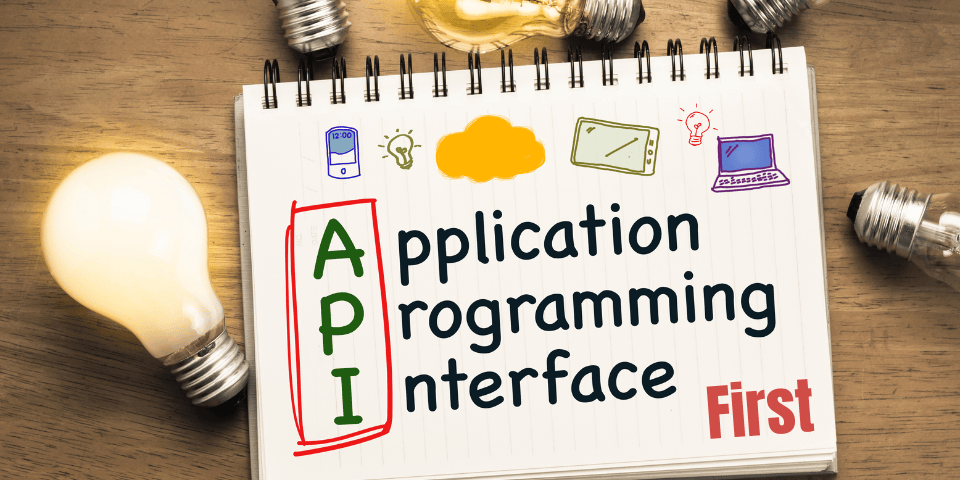
API-First Development: Designing Robust and Scalable APIs
In the modern software development landscape, creating robust and scalable APIs (Application Programming Interfaces) has become crucial. One effective approach to achieve this is adopting an API-first development strategy. This methodology prioritizes the design and development of APIs before the implementation of other components, ensuring that the APIs are well-defined, standardized, and can seamlessly integrate with various systems. In this article, we’ll delve into the API-first approach, its benefits, best practices, and how tools like Swagger/OpenAPI can facilitate efficient API design and documentation.
The API-First Approach
API-first development revolves around the principle that APIs are the core components of software architecture. Instead of treating APIs as an afterthought, developers focus on designing them from the outset. This approach ensures that APIs are consistent, reusable, and meet the needs of all stakeholders, including developers, product managers, and end-users.
Benefits of API-First Development
-
Consistency and Standardization: By designing APIs upfront, teams can establish consistent standards and conventions across the entire application. This leads to uniformity in API design, making it easier for developers to understand and use them.
-
Improved Collaboration: API-first development fosters better collaboration between teams. Since APIs are designed first, frontend and backend teams can work in parallel. Frontend developers can create mock implementations and start building user interfaces while backend developers work on the actual API implementation.
-
Scalability and Flexibility: Well-designed APIs are modular and scalable. As the application grows, new features can be added without disrupting existing functionality. Additionally, APIs can be reused across different projects, saving time and effort.
-
Enhanced Developer Experience: A clear and well-documented API makes it easier for developers to integrate with your system. This reduces onboarding time and minimizes the chances of errors or misunderstandings.
-
Faster Time-to-Market: By enabling parallel development and reducing dependencies between teams, API-first development can significantly accelerate the product development cycle.
Best Practices for API-First Development
To fully leverage the benefits of the API-first approach, it’s important to follow best practices in API design and development:
1. Define Clear API Requirements
Start by gathering and defining the requirements for your API. Identify the key functionalities, data structures, and endpoints needed to meet the needs of your users. Involve all stakeholders in this process to ensure that the API addresses their requirements.
2. Use Standardized Protocols and Formats
Adopt widely-used protocols and data formats such as HTTP/HTTPS, REST, and JSON. These standards ensure compatibility and interoperability with other systems and make it easier for developers to work with your API.
3. Design for Scalability and Performance
Consider scalability and performance from the beginning. Design your API to handle large volumes of requests and data efficiently. Implement pagination for endpoints that return large datasets and use caching strategies to reduce server load.
4. Version Your API
APIs should be versioned to manage changes and updates without breaking existing clients. Use a clear versioning scheme (e.g., v1, v2) and communicate changes effectively through documentation.
5. Provide Comprehensive Documentation
Comprehensive and up-to-date documentation is crucial for the success of your API. Include detailed information about endpoints, request/response formats, authentication methods, error codes, and usage examples. This helps developers understand how to use your API effectively.
6. Implement Authentication and Authorization
Secure your API by implementing robust authentication and authorization mechanisms. Use industry-standard methods such as OAuth2 to ensure that only authorized users and applications can access your API.
7. Test Thoroughly
Thoroughly test your API to identify and fix issues before deployment. Implement unit tests, integration tests, and performance tests to ensure that your API is reliable and performs well under various conditions.
Using Swagger/OpenAPI for API Design and Documentation
Swagger, now known as the OpenAPI Specification (OAS), is a powerful toolset for designing, documenting, and consuming APIs. It provides a standard way to describe your API, making it easier for developers to understand and interact with it.
Designing APIs with Swagger/OpenAPI
Swagger/OpenAPI allows you to define your API’s structure, endpoints, request/response formats, and other details in a YAML or JSON file. Here’s a simple example of an OpenAPI specification for a hypothetical To-Do List API:
openapi: 3.0.0
info:
  version: 1.0.0
  title: To-Do List API
  description: An API to manage to-do lists.
servers:
  - url: http://api.example.com/v1
paths:
  /todos:
    get:
      summary: Get all to-dos
      responses:
        '200':
          description: A list of to-dos
          content:
            application/json:
              schema:
                type: array
                items:
                  $ref: '#/components/schemas/Todo'
    post:
      summary: Create a new to-do
      requestBody:
        required: true
        content:
          application/json:
            schema:
              $ref: '#/components/schemas/Todo'
      responses:
        '201':
          description: To-do created
components:
  schemas:
    Todo:
      type: object
      properties:
        id:
          type: string
        title:
          type: string
        completed:
          type: boolean
Documenting APIs with Swagger UI
Swagger UI is a tool that automatically generates interactive API documentation from an OpenAPI specification. This documentation allows developers to explore and test your API directly from the browser. You can host Swagger UI yourself or use online services like SwaggerHub.
Generating Code with Swagger Codegen
Swagger Codegen can generate client and server code in various programming languages based on your OpenAPI specification. This accelerates development by providing boilerplate code that you can customize to meet your needs.
Conclusion
Adopting an API-first approach to development offers numerous benefits, including improved collaboration, consistency, scalability, and faster time-to-market. By following best practices and utilizing tools like Swagger/OpenAPI, you can design robust and scalable APIs that meet the needs of your users and developers. As APIs continue to play a critical role in software architecture, embracing API-first development will help you stay ahead in the ever-evolving tech landscape.